
 By
By 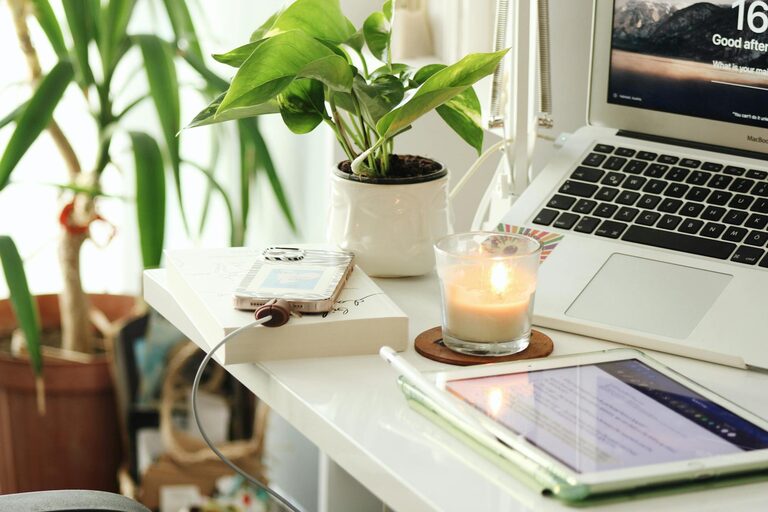
Creating a productive home office environment is essential for anyone working remotely or running a business from home. A well-designed workspace not only improves efficiency but also supports your wellbeing, helping you maintain a healthy work-life balance. Whether you have a dedicated room or a small corner, these tips will help you set up a productive home office that meets your needs.
Choose the Right Location
Finding the ideal spot in your home for your office is the first step. Ideally, select a quiet area with minimal distractions. Natural light is a bonus, so try to position your desk near a window if possible. If space is limited, a well-organised corner in a less trafficked room can still work effectively.
Invest in Comfortable Furniture
Comfort plays a huge role in productivity. An ergonomic chair that supports your back and promotes good posture is worth the investment. Pair this with a suitable desk at the right height to avoid strain on your wrists and shoulders. Adjustable furniture can be useful if multiple people use the space.
Organise Your Workspace
A cluttered desk can lead to a cluttered mind. Keep your workspace tidy by using storage solutions such as shelves, filing cabinets, or desk organisers. Only keep essential items on your desk to reduce distractions. Consider regular clearing sessions at the end of each day to maintain order.
Useful Storage Tips
– Use labelled boxes or trays to sort paperwork.
– Keep frequently used items within arm’s reach.
– Use cable organisers to manage wires neatly.
– Incorporate vertical storage to save floor space.
Manage Lighting Effectively
Proper lighting can reduce eye strain and boost concentration. Combine natural light with additional sources such as desk lamps or floor lamps. Choose bulbs that mimic daylight for a bright but comfortable atmosphere. Avoid harsh fluorescent lights or glaring screens, which can cause fatigue.
Minimise Noise and Distractions
Background noise and interruptions can disrupt your workflow. Use noise-cancelling headphones if needed, or consider soundproofing options like rugs, curtains, or acoustic panels. Inform family members or housemates about your working hours to minimise disturbances.
Set Boundaries and Establish a Routine
Working from home requires discipline. Create clear boundaries between work and leisure, such as a defined start and finish time. Dress as if you are going to an office to boost your mindset. Schedule regular breaks to stretch, move around, and refresh your mind.
Personalise Your Space
Adding personal touches can make your home office more inviting and motivating. Include plants for a touch of nature, inspirational artwork, or a favourite photo. However, avoid overcrowding the space, which can be counterproductive.
Use Technology Wisely
Make sure your technology supports your work without causing frustration. Invest in a reliable internet connection and the necessary devices such as a good computer, printer, or headset. Keep software and security up to date. Explore productivity tools and apps that help you manage tasks and time effectively.
Maintain Good Air Quality and Comfort
A well-ventilated space with fresh air can help you stay alert. Avoid working in rooms that feel stuffy or overly warm. Use a fan or air purifier if needed. Adjust room temperature and humidity to a comfortable level.
Stay Motivated and Connected
Working alone can sometimes feel isolating. Stay motivated by setting goals and celebrating small achievements. Take advantage of video calls and online collaboration tools to stay connected with colleagues and clients.
—
By applying these straightforward tips, you can create a home office environment that promotes productivity, comfort, and wellbeing. Remember, the key is to design a space that works for your unique needs and helps you stay focused throughout the day.