
 By
By 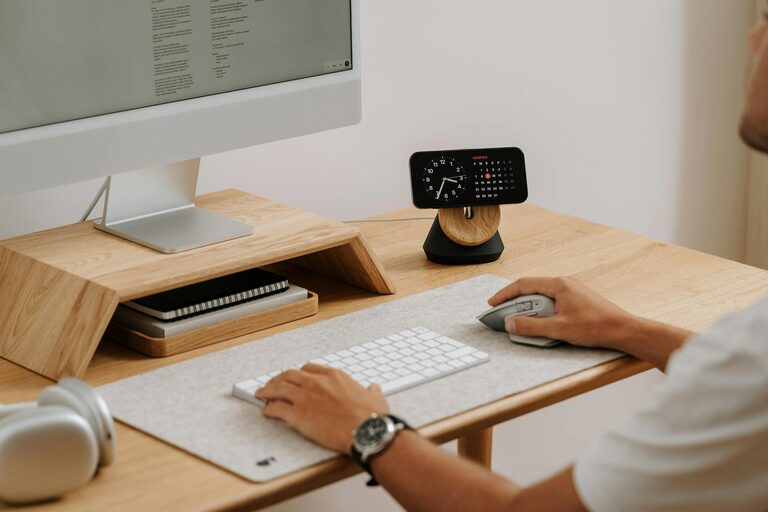
Creating a clutter-free and organised home office space can greatly improve your productivity and overall well-being. Whether you have a dedicated room or just a corner in your home, making your workspace tidy and efficient helps reduce stress and lets you focus on your tasks. Here are some simple tips to help you create an organised home office that works for you.
1. Start with a Clean Slate
Before you arrange your furniture or buy storage solutions, clear everything out. Remove all items from your desk, shelves, and drawers. This allows you to assess what you truly need in your workspace and what can be recycled, donated, or stored elsewhere. Cleaning the area also physically renews the space, giving you a fresh start.
2. Choose the Right Desk and Chair
Your desk and chair are the foundation of your home office. Select a desk that fits comfortably in your space but provides enough surface area for your computer, paperwork, and essential tools. An adjustable, ergonomic chair is vital for good posture and comfort during long work sessions. Keep your chair and desk neutral in colour to create a calm environment.
3. Keep Only What You Need Close By
Limit the number of items on your desk to those you use daily. For example:
– Computer or laptop
– Notebook and favourite pen
– Desk lamp
– A small plant or personal photo
Avoid piling up unnecessary documents, gadgets, or stationery, which tend to create clutter quickly. Store extras in drawers or filing cabinets.
4. Use Smart Storage Solutions
Efficient storage keeps things out of sight but within easy reach:
– Boxes and Bins: Use labelled boxes to keep similar items together, such as chargers, stationery, or craft supplies.
– Filing System: If your work involves paperwork, create a filing system with folders for different projects or clients.
– Drawer Organisers: These help separate small items like paper clips, sticky notes, and scissors.
– Shelving Units: Vertical storage is a great space saver and helps keep books and reference materials organised.
Choose storage containers that fit your style and workspace size. Transparent or labelled options are best for quick identification.
5. Manage Cables and Electronics
Cable clutter can make even a neat desk look messy. Use cable clips, ties, or sleeves to keep cords organised and out of sight. Position your computer, printer, and phone chargers so cables don’t cross unnecessarily. Consider wireless devices where possible to reduce cable overload.
6. Create a Daily Cleaning Habit
Spending just five minutes at the end of each day tidying up your workspace prevents clutter build-up. Put away loose papers, wipe down your desk, and reset your chair and computer accessories. This small habit refreshes your environment and sets a positive tone for the next workday.
7. Personalise Mindfully
Adding personal touches to your office makes it a welcoming space. Choose a few items that inspire or motivate you, such as artwork, photos, or plants. However, keep your personal items minimal to avoid visual distractions.
8. Make Use of Natural Light
If possible, position your desk near a window to maximise natural light. Good lighting boosts mood and reduces eye strain. Use light curtains or blinds to avoid glare and complement natural light with a quality desk lamp for late working hours.
9. Digitise When You Can
Reducing paper clutter is easier when you go digital. Scan documents, bills, and notes to save on physical storage. Use cloud services or external drives to back up important files and keep your desk free of stacks of paper.
10. Plan Your Layout for Flow and Function
Arrange your furniture so that everything you need is accessible without feeling cramped. Allow space for moving and stretching. Keep frequently used items on your desk or within arm’s reach, while less commonly used things can be stored further away.
—
Final Thoughts
Creating and maintaining a clutter-free and organised home office is an ongoing process. By incorporating these simple tips, you’ll create a workspace that promotes focus, comfort, and creativity. Remember, a tidy environment helps cultivate a tidy mind, paving the way for successful homeworking experiences. Set your space up once, then nurture good habits to keep it working for you every day.